Flamenco Dance Classes in Cheltenham
Flamenco Cheltenham
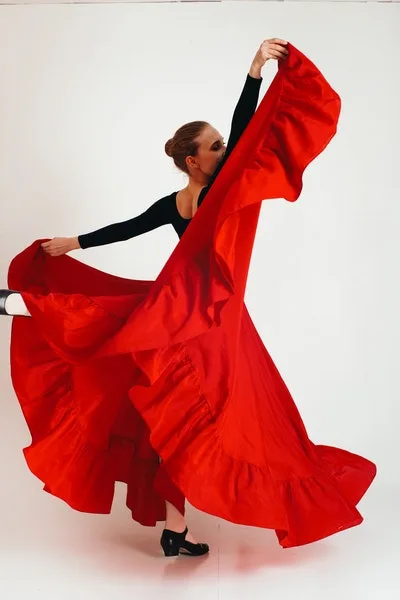 Flamenco — Cheltenham
Class is coming soon
Fill out the form for more info
Class Details
Location: TBC
Day: TBC
Time: TBC
Age Group: 17 – 75
Teacher: —
Class Structure
Beginners Class — 60 Minutes
Set the Frame
We build the flamenco posture first - lifted chest, drawn-in shoulders, long neck and a rooted stance. This proud, grounded frame is where the whole style lives, so we wake it up before a single heel strikes the floor.
Hands and Arms
Next come the braceo and floreo - the slow, circling arms and the unhurried curl of the wrists and fingers. These carry as much of flamenco's feeling as the feet do, and they reward patience over speed every time.
Feet Find the Compas
Now the zapateado - the drumming footwork - broken into heel, toe and stamp and layered onto the twelve-beat compas by hand-clap first, then in shoes. We keep it slow so the rhythm sits in the body, not just the ears.
Join the Phrase
Arms, hands, posture and feet come together in a short sequence set to a palo such as a soleá or a lively bulería. You start to feel how flamenco breathes - holding tension, then releasing it in a burst.
Run and Release
We dance the phrase through with real intent, clapping the compas for each other, then stretch out calves, feet and back. Flamenco asks for duende - genuine feeling - and the close gives you room to let it settle.
About Flamenco Classes in Cheltenham
Flamenco is the fierce, proud folk art of Andalusia - a conversation between rhythm, footwork and raw emotion, held up by a posture that reads as pure dignity. It is drummed out through the feet, sung through the arms and hands, and shaped by the twelve-beat compas that gives each palo its own distinct pulse and mood.
It is worth being upfront about Cheltenham: the town has no resident tablao, no nightly flamenco stage of its own, so this is an honest, instructor-led weekly class rather than a scene we are dressing up. What the town does have is a real appetite for the arts - four internationally known festivals and a busy Everyman Theatre mean touring Spanish dance does pass through, and the audience for it is already here.
That makes a proper class the best way in locally, and ours takes it from the ground up: no experience assumed, and every element drilled slowly until the rhythm feels like second nature. Flamenco flatters every age and build, since expression matters far more than extension. Wear something fitted you can move in, bring shoes with a solid heel if you have them - proper flamenco shoes are never required to start - and we send the town-centre studio address once you book.
Browse all 20 of our dance classes in Cheltenham, book a flamenco hen party for a one-off group session, or see flamenco classes in our other 66 cities.
Fill Out the Form for More Info
Fill in your details for up-to-date class info.
Why Choose Flamenco in Cheltenham?
Expression With a Backbone
Flamenco channels real emotion through disciplined form. It is a rare outlet where intensity and precision live together, and pouring a hard week into the floor is quietly cathartic.
Rhythm You Feel to the Bone
Learning the compas retrains your whole sense of timing. The footwork sharpens coordination and musicality in a way that feeds straight into any other dance you touch.
Posture That Commands
The lifted, rooted flamenco frame builds genuine core strength and carriage. People notice how you stand and move long before they know where you learned it.
Open to Every Body
There are no splits or leaps to fear here. Flamenco prizes feeling and rhythm over flexibility, so every age and shape finds a real foothold from the first class.
Your Flamenco Journey
From first class to confident dancer — here is how it usually goes.
Posture and Pulse
First Weeks
You settle into the flamenco frame - proud chest, grounded stance - and meet the twelve-beat compas by clapping before you ever dance it. Getting the posture and the count secure early is what makes the footwork sing later.
What to Bring
Fitted clothing you can move freely in and a shoe with a solid, low heel that can strike the floor - a boot or character shoe works fine. Dedicated flamenco shoes are a later treat, never a starting requirement.
Feet and Hands
The Zapateado
Heel, toe and stamp are drilled slowly and layered onto the rhythm, building the drumming footwork that defines the style. Control and clarity come first; speed arrives on its own once the pattern is clean.
Braceo and Floreo
The circling arms and curling wrists develop in parallel, teaching the upper body to carry as much of the feeling as the feet. Coordinating the two is the real craft of these weeks.
Dancing a Palo
Longer Sequences
You piece the elements into set choreography for a palo such as soleá or bulería, feeling how each one carries its own tempo, weight and emotional colour across a full phrase.
Holding and Releasing
You learn flamenco's signature breath - gathering tension in stillness, then letting it break out in a burst of footwork - which is what lifts steps into genuine expression.
Finding Your Duende
Dancing With Feeling
Assured enough now to perform a full palo with real intent, marking the accents and letting the emotion drive the rhythm rather than merely counting through it.
Carrying On
Deepen the compas, explore a new palo, or seek out touring Spanish dance at the Everyman when it visits. Flamenco is a long, rewarding road that pays back every hour you give it.
Flamenco in Cheltenham FAQ
Everything you need to know before your first class.
Is there a flamenco scene or tablao in Cheltenham? +
No permanent tablao, and we will not pretend otherwise - Cheltenham has no nightly flamenco stage. This is an honest instructor-led weekly class. The town's festivals and the Everyman Theatre do host touring Spanish dance, so the interest is genuinely local.
Can a complete beginner start flamenco? +
Yes, and most of the room did. We build from posture and rhythm upward, drilling each element slowly, so no prior dance or Spanish background is needed. What matters is a willingness to feel the music rather than any existing skill.
Do I need special flamenco shoes? +
Not to begin. Any shoe with a solid, low heel that can strike the floor - a boot or character shoe - does the job at first. Proper nailed flamenco shoes are a lovely upgrade once you know the style is for you, never a barrier to starting.
Is flamenco hard on the feet and knees? +
The footwork is percussive, so we build it in stages and teach the mechanics that keep it safe - striking through the whole foot, staying grounded, not forcing volume. Warm-ups and stretches bracket every class, and it eases as your legs adapt.
Do I have to be flexible or fit to join? +
No. Flamenco is about rhythm, posture and expression rather than splits or high kicks, which is why it suits every age and build. Whatever fitness you bring is enough; the stamina grows quietly as the footwork does.
What does a single class cost here? +
Eight pounds flat, paid on the night, with no membership or block booking to sign up for. Miss a week and you forfeit nothing - that one rate covers every Dance Centre UK class across Cheltenham.
Where in Cheltenham are the classes held? +
At a town-centre studio near the Promenade and Montpellier, with a floor that takes the footwork well. We send you the exact address by email as soon as your place is confirmed.
How do I get there and where can I park? +
Central car parks such as Regent Arcade are a short walk away, though do check evening closing times. Cheltenham Spa station is about a mile to the west, roughly twenty minutes on foot or a brief bus or taxi ride in.
Does race or festival week change anything? +
It can affect the journey. Gold Cup week in March and the town's four festivals bring big crowds, so parking and taxis get stretched and prices rise - if your class falls in those weeks, leave earlier and plan your route ahead.