Tap Dance Classes in Newcastle
Tap Newcastle
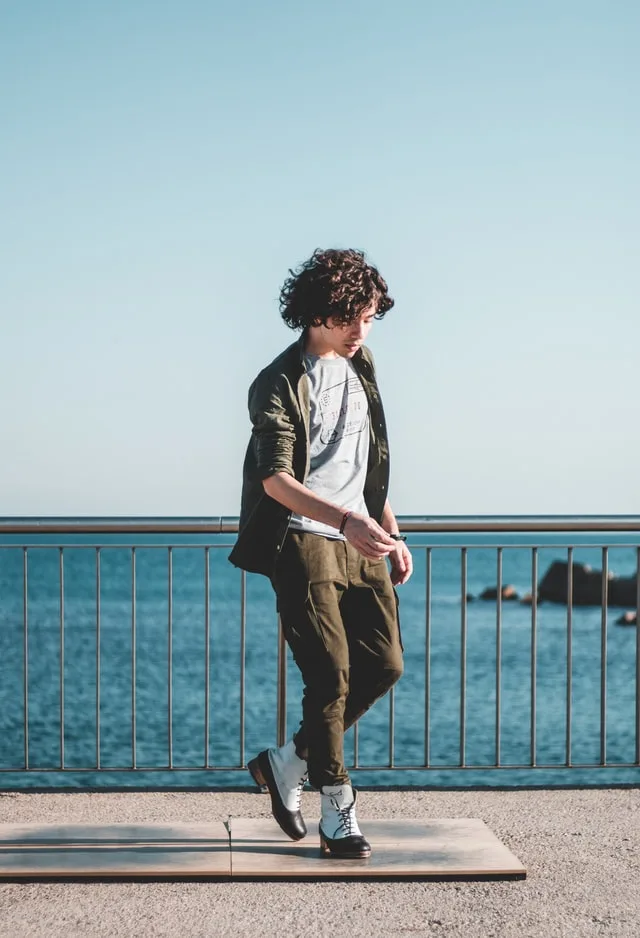 Tap — Newcastle
Class is coming soon
Fill out the form for more info
Class Details
Location: TBC
Day: TBC
Time: TBC
Age Group: 17 – 75
Teacher: —
Class Structure
Beginners Class — 60 Minutes
Ankles and First Taps
Tap lives in loose, quick ankles, so we start by warming exactly those, then make your first proper sounds — heel drops, toe taps, the raw ingredients of everything to come. Within minutes your feet are producing actual rhythm, which is a strangely satisfying way to begin a class.
Shuffles and Flaps
Now the core vocabulary: the shuffle, the flap, the ball-change — the small, repeatable sounds that tap is assembled from. We drill them until they are clean and even, because crisp basics are what make the fast stuff later sound like music rather than mush.
Building a Time Step
We assemble the pieces into steps and short combinations, including the time step, tap's classic building block. This is where separate noises turn into phrases, and where you start to feel your feet playing a pattern rather than just making a clatter.
Playing With Rhythm
Here we lean into the musical side — call-and-response, swapping rhythms round the room, feeling where the accent falls. Tap is a percussion instrument you wear, and this is the stretch where that truly lands and the class starts sounding like a band warming up.
Set to a Track
We put the combination to a piece of music and run it, so all those sounds lock to a real tune with real timing. Then a gentle stretch for the calves and feet, which will have worked harder than you expected and earned the wind-down.
About Tap Classes in Newcastle
Tap is the one dance where you make the music as well as move to it — your shoes are the instrument, and the sound is the whole point. We start you on the core noises, the shuffles and the flaps, and stack them into steps until your feet are, genuinely, keeping time. You do not need tap shoes to begin; we keep pairs to borrow for your first few weeks.
There is something fitting about learning rhythm in this particular city. Newcastle is where George Stephenson built the world's first locomotive works, on Forth Street, and sent the railways clattering out across the planet — and tap runs on that same love of a repeating, mechanical beat. Once the time step clicks, you start hearing it everywhere, including in the rails under a passing Metro.
Our partner studios are in the city centre near Grey Street and the Theatre Royal — apt, given how long tap and the stage have kept company — a short walk or Metro ride from Central Station, with the exact address confirmed on booking. Bring socks and comfort for the early weeks, borrow a pair of tap shoes off us, and be warned: it is properly addictive once your feet start answering back.
Browse all 20 of our dance classes in Newcastle, or see tap classes in our other 66 cities.
Fill Out the Form for More Info
Fill in your details for up-to-date class info.
Why Choose Tap in Newcastle?
Shoes You Can Borrow
No need to buy tap shoes before you know you like it — we keep pairs to lend for your first weeks, so you can start for the price of a drop-in and nothing else. When you are hooked, and most people are, we will point you at where to buy your own.
You Play the Rhythm
Tap is the rare dance that is also music — your feet are a percussion section, and you are composing sound as much as moving. That makes it endlessly satisfying for anyone who has ever tapped a beat on a desk without quite realising it.
Timing in the City's Blood
The place that gave the world the railway knows a thing or two about rhythm and repetition. Learning tap in the birthplace of the locomotive has a nice ring to it, and the mechanical, clattering pulse of the dance feels right at home on Tyneside.
The Stage Is Next Door
Tap and theatre grew up together, and our city-centre studios sit near the Theatre Royal, a stone's throw from touring musicals and shows. There is real inspiration in learning a show-stopping style in the shadow of one of the North's grandest stages.
Your Tap Journey
From first class to confident dancer — here is how it usually goes.
Making Noise
The First Weeks
Early sessions are about clean single sounds — taps, heel drops, your first shuffles — and getting your ankles loose and quick. It is noisy, immediate fun, and you will be making recognisable rhythm within your very first class.
Shoes and Kit
Borrow a pair of tap shoes from us to start, so there is nothing to buy. Wear comfortable clothes you can move in and, for the early weeks before your loan shoes, thin socks or hard-soled shoes are fine to feel the actions.
Steps and Phrases
Joining Sounds
The single sounds start combining into steps and short phrases, the time step among them. Your feet begin producing patterns rather than isolated noises, and you feel the first proper flush of playing a rhythm instead of just making one.
Cleaning It Up
We work on evenness and clarity, because tap that is slightly out is tap that sounds muddy. This is where your ear sharpens as much as your feet — you start hearing your own timing and correcting it, which is a real skill in itself.
Speed and Swing
Picking Up Pace
Combinations get longer and faster, and a bit of swing and syncopation creeps in. The satisfying, machine-gun clarity of good tap starts to appear in your own feet, and routines begin to feel like performances rather than exercises.
Finding Musicality
You learn to play with the beat rather than just hit it — leaning on accents, leaving space, answering the music. This is where tappers stop reciting steps and start sounding genuinely musical, and where the addiction really sets in.
A Proper Hoofer
Real Command
Fast, clean and confident, you can pick up choreography quickly and improvise a little rhythm of your own. The steps that sounded like a jumble in week one are now second nature, and your feet do what your ear imagines.
Where It Goes
Show numbers, performance routines, or simply the lifelong joy of a dance that is also a musical instrument. Tap has a warm community and a rich history, and there is always another rhythm, faster or trickier, waiting to be learned.
Tap in Newcastle FAQ
Everything you need to know before your first class.
Do I need tap shoes to start? +
No — we keep pairs of tap shoes to borrow for your first few weeks, so you can try the class without buying anything. For your very first session, thin socks or hard-soled shoes let you feel the actions, and we will sort you a loan pair on arrival.
Where in Newcastle are the tap classes? +
At partner studios in the city centre near Grey Street and the Theatre Royal, a short walk or Metro hop from Central Station. It is a fitting spot for a stage style, and you will get the exact address as soon as you book your place.
Am I too old to take up tap? +
Definitely not — tap is one of the most age-friendly dances going, and adult beginners of every age fill our classes. It is low-impact on the joints, kind to knees, and as much about your ears and timing as raw athleticism, so it suits later starters beautifully.
How much is a tap class in Newcastle? +
A drop-in is £8, and with borrowed shoes that really is your whole outlay to begin. There is no membership or contract, and once the weekly timetable at your studio is set, discounted blocks come in for anyone who wants to keep tapping.
Do I need any rhythm or musical background? +
None at all — tap actually teaches you rhythm from scratch, which is half of why it is so good for you. If you have ever drummed your fingers along to a song, you have all the raw material you need; the class trains the rest into your feet.
What do I wear for the rest of me? +
Comfortable clothes you can move in freely — leggings, joggers, a t-shirt, whatever you like. The only real consideration is the shoes, which we lend you; above the ankles, tap has no dress code and nobody is watching anything but your feet.
Isn't tap really loud — can I practise at home? +
It is gloriously loud, which is part of the fun, but not always ideal for a flat with neighbours below. Many tappers practise the footwork quietly in socks on a hard floor, or on a small practice board, saving the full clatter for the studio.
What's the difference between tap and Irish dancing? +
Both are percussive footwork, but tap is loose, swung and improvisation-friendly, with the arms and upper body relaxed and involved, whereas Irish dance holds the torso still and the arms down and is more rigidly set. Tap grew out of jazz; the feel of the two is quite distinct.
Where can tap take me in Newcastle? +
Toward performance routines and show numbers if you fancy a stage — handy, with the Theatre Royal on the doorstep — or simply into a warm, lifelong hobby. Tap has a friendly community across the North East and a history that keeps giving you new rhythms to chase.