Ballroom Dance Classes in Manchester
Ballroom Manchester
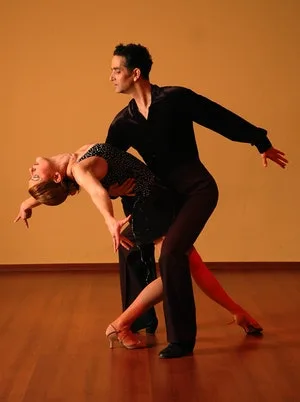 Ballroom — Manchester
Class is coming soon
Fill out the form for more info
Class Details
Location: TBC
Day: TBC
Time: TBC
Age Group: 17 – 75
Teacher: —
Class Structure
Beginners Class — 60 Minutes
Posture Before Anything
We spend the first minutes simply standing well — ribs lifted, the back long, the arms finding the frame, ankles loosened off. Every figure later depends on that shape, so it is worth getting solid before a single step is taken.
This Week's One Figure
You get exactly one new move per session. It is named, broken into counts and walked through at an easy pace — a turn one week, some chassé the week after — repeated calmly until your feet stop hesitating over what comes next.
Adding the Music
The fresh figure is folded into the steps you already own and danced to a track at a gentle tempo. This is the moment the pattern lifts off the page and becomes actual movement, the floor passing along beneath you.
Around the Room
Now everyone moves along a partner or two. Leading or following a mix of people — tall and short, quick and cautious — teaches faster than anything that a dance is a two-way exchange, not a routine you recite.
Sharing the Floor, Then Down
The hour ends with everybody dancing together, threading a short sequence around one another with nobody clipping heels — that is floorcraft — before we finish easing out the calves and lower back.
About Ballroom Classes in Manchester
Ballroom is really a set of dances rather than a single one — the waltz, the foxtrot, the quickstep and a handful of relatives — and you learn it best in small doses. In Manchester we introduce one figure per lesson and let it settle, which is how a routine that looks impossible on a Saturday-night television final turns, gradually, into steps you can actually manage.
Coming on your own is no obstacle at all. Couples and single dancers mix on the same floor, and since partners move round through the session, arriving alone just means you dance with more people rather than fewer — and any pair set on staying together only needs to say so. The studios we use sit in and around the centre and Ancoats, each with the sprung floor this style really needs, with the address confirmed once you have booked.
There is a come-to-you option too. Across Greater Manchester — Salford, Stockport, Oldham, Trafford and the suburbs to the south — couples hire us privately to turn a nervous first-dance shuffle into something smooth, and our Manchester wedding team choreographs the whole thing around whichever song you have chosen.
Browse all 20 of our dance classes in Manchester, or see ballroom classes in our other 66 cities.
Fill Out the Form for More Info
Fill in your details for up-to-date class info.
Why Choose Ballroom in Manchester?
Going Slowly Is the Point
Nobody expects you to walk in with rhythm. Each figure is spelled out, counted and drilled at an easy pace until it feels routine, so coordination and timing are things you develop in the room rather than qualities you needed beforehand.
Coming Alone Works Fine
A good share of the class books solo, so you will blend right in. The rotation keeps everyone dancing for the full hour with no one benched, and any couple preferring to stay paired only has to flag it up at the start.
Got a Wedding Coming?
Plenty of couples use these weekly sessions to get the first dance sorted early, banking the frame and timing well ahead of the day — and if you would like a routine tailored to your own song, our Manchester wedding team will travel to you.
£8 Each, Not Per Couple
The eight-pound price is per person, so two of you is sixteen and that is the lot — no premium for booking as a pair, no membership, no tie-in beyond the class you attend. Once a weekly night is set, block bookings come down in price.
Your Ballroom Journey
From first class to confident dancer — here is how it usually goes.
The Hold and Off You Go
First Moves
You begin with the frame and the surprisingly fiddly job of shifting your weight cleanly from one foot to the other. A simple waltz box tends to click by the second session, and treading on a toe worries nobody.
What Goes on Your Feet
Wear whatever you would put on for a nice dinner, on a sole that slides instead of gripping. Leather works well; if you like a heel, keep it low until your balance has earned it.
A Change of Pace
Dance Number Two
A second dance appears, often the foxtrot or quickstep, and the shift in tempo alters the whole atmosphere of the room. It is around now the frame stops feeling like something on loan.
Genuine Partnering
Leading and following turn from pushing on arms into sharing weight and direction. The first silent moment when you and a partner move as a single unit is when it clicks for most people.
Command of the Floor
Steering
Spotting the couples in front and giving them room becomes second nature. Turning a corner without grinding to a halt and keeping things flowing is the line between knowing steps and dancing them.
That Screen Sheen
The rise and fall evens out, a gentle sway arrives on its own, and there comes an evening when your reflection reminds you a little of the programme that got you started.
Dancing as a Pair
How Far It Goes
Longer routines, an early go at the tango, a cha-cha when you fancy it — with the finish improving every session you keep turning up to.
Where to Take It
Social dance nights, medal assessments if you want something to aim for, or simply becoming the couple everybody else trails onto the floor at the next reception.
Ballroom in Manchester FAQ
Everything you need to know before your first class.
I am hopelessly uncoordinated — can I really manage ballroom? +
Most likely, yes. The whole thing is more or less designed for people convinced they cannot dance: nothing is hurried, each figure is taken apart and practised gently, and the hold itself keeps you tidy. Feeling clumsy usually just means no one has slowed it down for you before.
Can I come to the Manchester classes without a partner? +
Yes — about half the room does exactly that. Since partners rotate all the way through, a solo dancer is never left standing at the edge, and if you have turned up as a couple and want to stay together, a quick word with the teacher settles it.
Which dances will we actually learn? +
The core three come first — waltz, then foxtrot and quickstep — with tango and the occasional party dance folded in once the group is ready. We usually stay with a dance for a few weeks, and what the class asks for helps shape what arrives next.
Whereabouts in Manchester are the classes held? +
At sprung-floor partner studios in and around the centre and Ancoats, each named once your place is set. Piccadilly and the Metrolink are close by, and for weddings our private lessons come to you right across Greater Manchester.
Could this sort out our wedding first dance? +
Very much so — it is one of the most common reasons people join. The weekly class quietly gives you the posture, timing and confidence a first dance needs, and if you would rather a routine built to your own song, our Manchester wedding lessons will make one and travel to you, from Salford to Stockport.
What should I wear, and what about the shoes? +
Comfortable, dinner-out clothing that lets you move. The sole is what counts — it needs to glide, so smooth leather or a softened trainer beats a grippy gym shoe every time. Proper suede-soled shoes are a nice treat later, and followers who fancy a low heel are welcome to one.
How much is a class? +
£8 per dancer, not per couple, and shown openly on the page instead of tucked away. You commit to nothing past the hour itself; once your studio settles on a weekly night, booking a block works out cheaper.
Is ballroom genuinely exercise? +
More than it lets on. A flat-out quickstep is proper cardio, and simply holding that upright carriage keeps the back and core busy the whole time without making a fuss about it. Think of it as a workout with better manners and a far nicer soundtrack.
Where might we dance socially near Manchester? +
Tea dances, community halls and social evenings scattered across the city and the wider boroughs are the gentlest places to try your figures out for real. Your teacher will steer you toward whichever one suits the level you have reached.